Did you know that sports-related injuries account for 4.2 million emergency room visits each year? While youth sports account for the majority of ER visits, nearly 1.5 million adults require emergency medical services each year.
Even if you were unaware of those facts, they are unlikely to have surprised you. Sprains, strains, pulled muscles, and broken bones, after all, come with the territory of getting out there and leaving it all on the field.
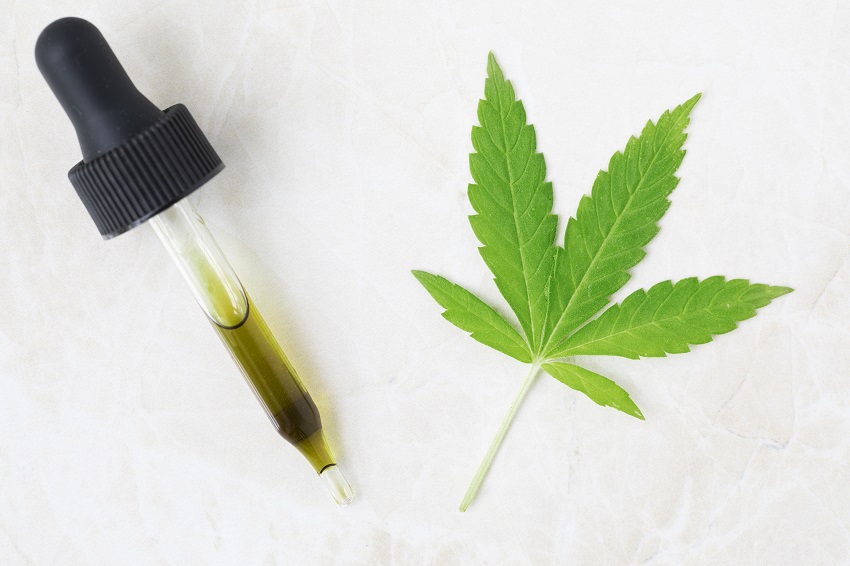
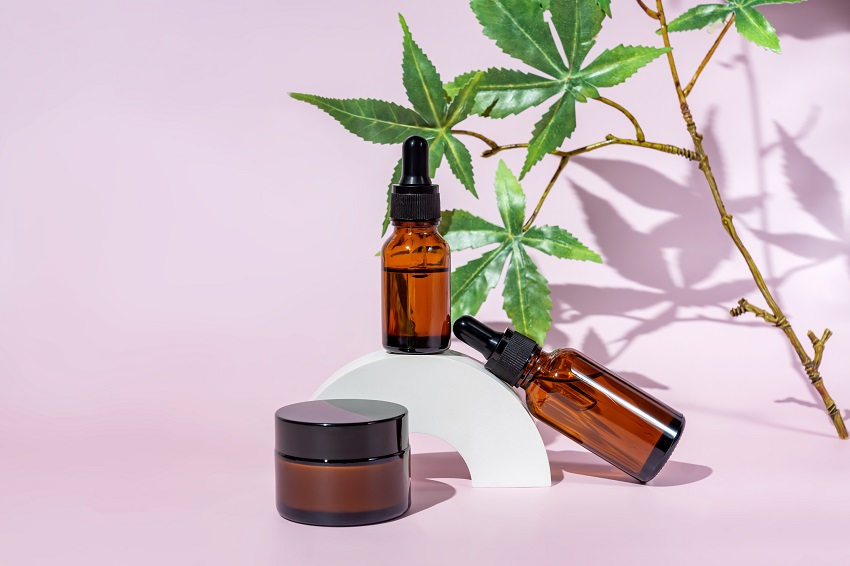
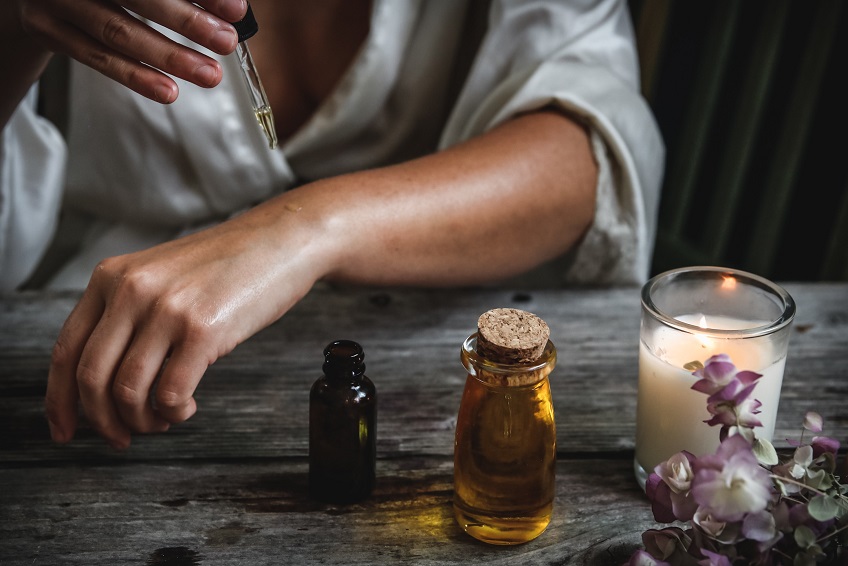
Injured competitors of all skill levels, understandably, seek relief wherever they can find it. Many people now use a CBD oil topical for pain relief after sports injuries.
Is CBD effective at reducing inflammation and pain? If this is the case, how should athletes use it while recovering from an injury? Is CBD, finally, legal? And why are professional and amateur athletes now able to use CBD after years of prohibition by major sports organisations?
Topical CBD Oil for Muscle Pain and Injuries
When high-profile athletes talk about using CBD for muscle pain or joint problems, they usually refer to CBD topicals. There are two primary reasons for this.
First, you can apply specially formulated CBD topicals to the affected area more easily. CBD oil tinctures and edibles, on the other hand, may provide overall wellness benefits but do not always affect specific parts of the body with precision.
In other words, if you apply CBD products directly to the problem area, you’ll likely experience more relief.
Second, CBD topicals frequently combine hemp extracts such as CBD and other cannabinoids with a variety of other beneficial ingredients.
CBD Freeze, an award-winning CBD topical roller, for example, contains naturally sourced menthol for pain relief, as well as other botanical ingredients.
Is CBD Oil Beneficial for Inflammation or Pain?
Preclinical research suggests that applying CBD topically may reduce inflammation and pain. Human trials for CBD on these issues, on the other hand, could take years to complete. As a result, CBD is not currently approved for the treatment of inflammation or pain, and CBD sellers are not permitted to make such a claim.
Professional athletes are a driving force in the discussion about CBD’s potential applications for muscle pain and inflammation. The professionals who discuss CBD oil for muscle pain range from golfers, who frequently suffer from back, knee, and shoulder issues, to those who participate in high-impact sports such as ice hockey, football, and mixed martial arts.
It’s difficult to dismiss their stories, particularly those of older athletes like Daniel Cormier and Bubba Watson, who have both described CBD as an important tool for pain relief and recovery.
With that said, here are a few of the most common reasons why professional and amateur athletes are increasingly turning to CBD oil for muscle pain caused by injuries.
1. CBD is now legal in the United States
Cannabis cultivation and processing has been illegal in the United States for nearly 50 years. Even if the plants or products contained only trace amounts of tetrahydrocannabinol (THC), the intoxicant found in marijuana, they were still classified as a Schedule I drug.
The 2018 Farm Bill made full federal legalisation of industrial hemp – defined as containing 0.3 percent THC or less – a reality.
Marijuana is still classified as an illegal drug by the federal government of the United States. However, many states have legalised the drug for medical or recreational purposes.
Hemp cultivation and CBD are legal in different countries around the world. Many European countries allow CBD in some form, whereas laws in many parts of Asia are murky.
2. Cannabis-Related Stigmas Are Disappearing
Along with the shift in legal status for hemp and CBD in the United States, public perception is shifting. According to one Associated Press poll, 61 percent of Americans now favour marijuana legalisation, including a small majority of Republican voters.
While hemp and marijuana are two completely different strains of cannabis, these statistics indicate a significant shift in American attitudes.
It’s not surprising that athletes’ attitudes towards cannabis and CBD are shifting.
3. CBD is no longer prohibited by the World Anti-Doping Agency (WADA).
WADA announced on September 29, 2017 that CBD would be removed from their list of prohibited substances the following year.
The legalisation of CBD use in training and international competition represented a significant shift in policy and provided relief to athletes. This is especially true for Olympic athletes considering CBD oil for muscle pain as an alternative to traditional NSAIDs.
WADA establishes anti-doping standards for a variety of sports worldwide, but not every professional and amateur athletic body follows WADA guidelines. However, the organization’s acceptance of CBD is the most important reason athletes are using and openly discussing it.
CBD is currently the only cannabinoid – natural or synthetic – that is permitted under WADA regulations.
Major League Baseball and the National Football League both recently revised their cannabis and derivative compound policies.
Hands wearing white gloves and wearing a digital wrist watch drop liquid onto a microscope slide on top of a blue and yellow pattern table covering.
4. There are CBD products that do not violate drug laws.
Many policies still classify THC as a “drug of abuse.” As a result, athletes must exercise extreme caution when using hemp extracts to treat muscle pain following an injury.
All of the cannabinoids found in cannabis plants are present in full spectrum hemp extracts. THC levels in such products are usually detectable.
As a result, some anti-drug policies may prohibit the use of full-spectrum hemp extracts.
However, there is an expanding list of CBD alternatives to full-spectrum CBD. THC is not present in oils made with broad-spectrum and isolated CBD extracts, for example. These products enable athletes to reap the benefits of CBD without fear of disciplinary action from their respective sports’ governing bodies.
THC is not present in any of the Clinically CBD products.
5. CBD is obtained legally.
If you’ve ever met a high-level athlete or read about their training regimen, you’ll know they take health and fitness seriously. It’s not surprising given that they rely on their bodies for a living.
Synthetic drugs, both legal and illegal, have long been a part of professional sports. Cycling, baseball, weightlifting, and many other sports have been rocked by doping scandals. Recently, some current and former players have expressed serious concerns about opioid overuse.
Taking these considerations into account, some athletes prefer naturally derived CBD for muscle pain. While the process may include scientific analysis and cutting-edge manufacturing, CBD is extracted directly from hemp plant source material.
6. CBD Muscle Pain Topicals are Simple, Effective, and Versatile
Unlike a variety of oral supplements and drugs that require prescriptions and precise dosing, athletes can simply apply CBD topicals for muscle pain as needed, up to four times per day.
Minor muscle strains are common among athletes of all levels as a result of pushing one’s body to its limits during competition or training. However, the oral pain relievers that are commonly used do not target specific areas. There are no “knee capsules” or “quadriceps tablets.”
CBD topicals, on the other hand, especially those containing a variety of pain and inflammation fighters, target pain at its source. Most areas of the body can benefit from CBD topicals for muscle pain. Athletes can also use CBD solutions to treat minor injuries to their joints.
7. Topical CBD Oil for Muscle Pain There are a variety of options available.
CBD topicals frequently include a wide range of ingredients that can assist athletes in relieving pain and recovering from injuries. However, the popularity of topicals is not solely due to their formulations. The variety of application methods is also appealing.
Patches containing CBD and other compounds are another emerging no-mess option for those looking to use CBD oil for muscle pain.
CBD Recover is a 300 mg CBD topical cream for pain relief that comes in a tub or squeeze bottle. It’s ideal for post-workout muscle recovery or after minor joint injuries. CBD Recover is also available in 750 mg and 1500 mg CBD concentrations.
Bath bombs are another option, though they don’t get as much attention as topicals. They are popular among MMA fighters as part of their post-training routine.